
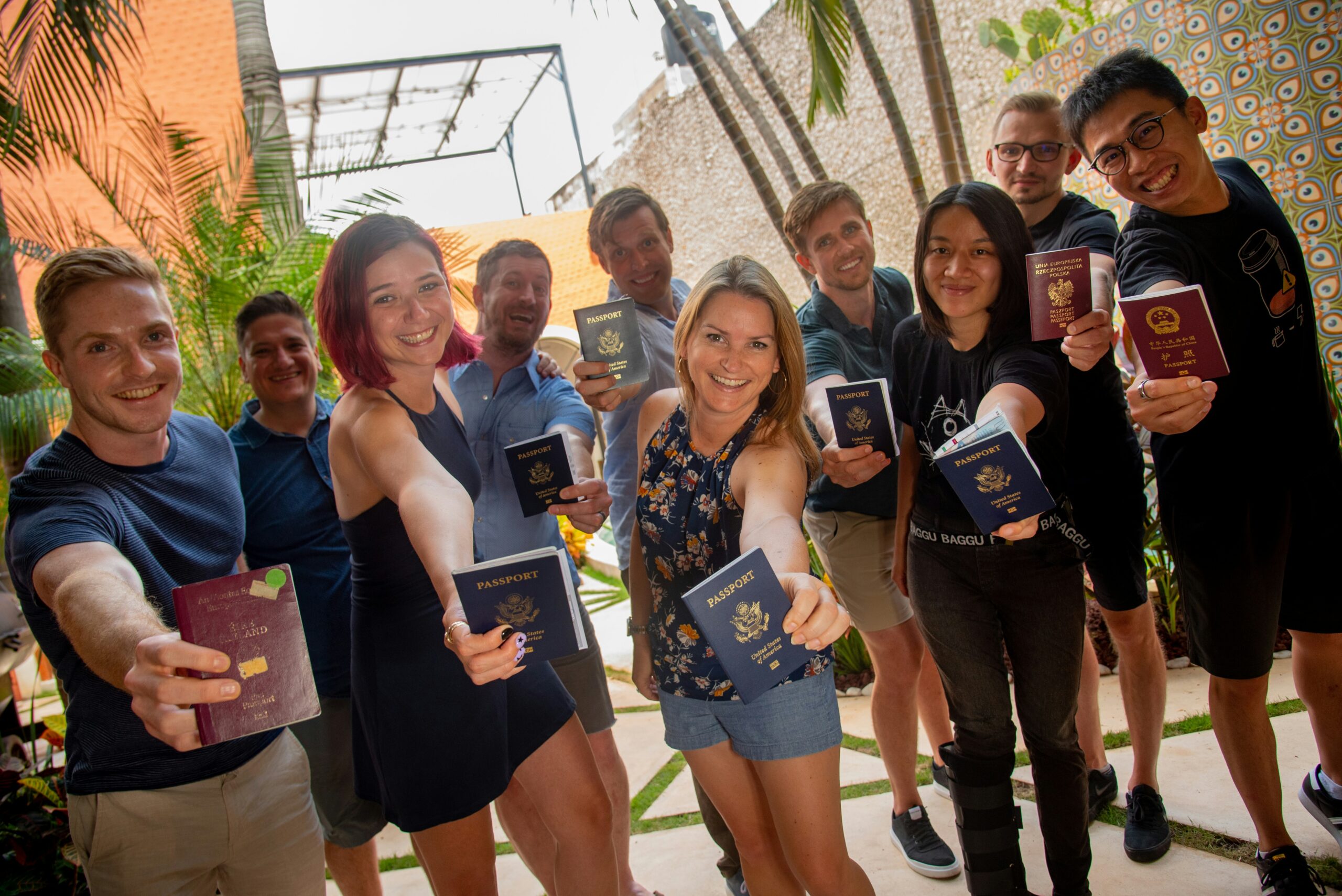
Finding a job abroad is difficult enough. Finding one with genuine visa sponsorship is even harder because the phrase “visa sponsorship available” is widely used by job boards, agents and scammers.
A legitimate sponsorship job does not simply mean that a company says it welcomes international applicants. It means there is a real employer, a genuine vacancy and an immigration route that allows that employer to hire a foreign worker.
The safest approach is to work backwards from the immigration system. First, identify the country and work route you may qualify for. Then find employers who are legally able to recruit foreign workers. Finally, verify the job offer before you share sensitive documents or pay any money.
This guide explains how to find legitimate visa sponsorship jobs abroad in 2026, where to search, how to verify employers and how to avoid the most common job and immigration scams.
What Does Visa Sponsorship Actually Mean?
Visa sponsorship usually means that an employer is involved in supporting your legal right to work in their country.
The exact process varies between countries.
In some countries, the employer must:
- hold an official licence or accreditation;
- offer you a qualifying job;
- submit information to an immigration authority;
- complete a labour-market or recruitment process;
- obtain approval to hire a foreign worker; or
- issue an official sponsorship or employment reference needed for your visa application.
However, visa sponsorship does not mean automatic visa approval.
The employer may support or sponsor your application, but you may still need to meet requirements relating to your qualifications, experience, salary, language ability, health, character or other immigration criteria.
That distinction is important because many misleading advertisements promise something like:
“Job guaranteed + visa guaranteed.”
A legitimate employer cannot normally guarantee that a government will approve your visa.
Start With the Country and Work Visa Route, Not the Job Advertisement
Many job seekers begin by searching:
“visa sponsorship jobs abroad”
That can produce thousands of results, but it also produces duplicates, outdated advertisements and scams.
A better search strategy is:
Country → work visa route → eligible occupation → approved employer → genuine vacancy
For example:
United Kingdom
The UK has employer-sponsored routes, including the Skilled Worker route. The UK government publishes an official register of organisations licensed to sponsor workers. Before spending significant time applying, you can check whether a potential employer is on the official register.
Canada
Canada’s system is more complex because a foreign worker may need a Labour Market Impact Assessment (LMIA), while other jobs may qualify for an LMIA-exempt work permit. The Canadian government provides Job Bank tools specifically for foreign candidates and jobs from employers recruiting internationally.
Australia
Australia has several employer-sponsored work pathways. The Skills in Demand visa, subclass 482, is one employer-sponsored option, while other employer-sponsored and regional pathways also exist. The exact route depends on the job, employer and applicant’s circumstances.
New Zealand
New Zealand’s Accredited Employer Work Visa system requires the involvement of an employer that is accredited to hire workers under the relevant immigration rules. Immigration New Zealand provides an official tool for checking whether an employer is accredited.
Europe
Visa and work-permit rules are not the same across all European countries. The EURES network is a useful official employment resource covering participating European labour markets and provides job-search and mobility support. However, non-EU citizens must still check the specific immigration rules of the country where they intend to work.
The key lesson is simple: a legitimate job search begins with the country’s actual immigration rules, not with a random promise on social media.
The Best Places to Find Legitimate Visa Sponsorship Jobs Abroad
There is no single website containing every genuine sponsorship job. The safest strategy is to use several sources and verify every opportunity.
1. Official Government Job Portals
Government-backed job platforms should be among your first places to search.
For example, Canada’s Job Bank provides a section specifically for foreign candidates. It states that applicants outside Canada should search for employers recruiting international candidates and clearly identifies who is eligible to apply for particular jobs.
The advantage of official platforms is not that every job guarantees visa sponsorship. Rather, they provide a more reliable starting point and clearer information about whether international candidates are being considered.
2. Official Lists of Approved or Licensed Employers
Some countries make it possible to verify an employer before applying.
This is one of the most useful checks available to international job seekers.
In the UK, the official register lists organisations licensed to sponsor workers and includes information about the routes for which they are licensed.
In New Zealand, the accredited employer list can be searched to determine whether an employer is currently approved to hire workers under relevant work-visa arrangements. The database is updated regularly.
However, there is an important limitation:
An approved or licensed employer is not automatically hiring overseas workers for every vacancy.
A company may be legally permitted to sponsor workers but have no suitable vacancy at the moment. Always check the specific job advertisement and the employer’s current recruitment needs.
3. Employer Career Websites
Once you identify companies that may employ international workers, go directly to their official careers pages.
Search for:
- [company name] careers
- [company name] jobs
- [company name] international recruitment
- [company name] visa sponsorship
- [company name] relocation opportunities
Applying directly through an employer’s website can reduce the risk of fake recruitment pages and copied advertisements.
If you find a job on a third-party job board, search for the same vacancy on the company’s official website. If it cannot be found there, contact the employer through independently verified contact details before proceeding.
4. Established Job Platforms
Major job platforms can be useful, especially for discovering vacancies, but treat them as search tools rather than proof that a job is legitimate.
Use searches such as:
- “visa sponsorship”
- “relocation assistance”
- “international applicants”
- “work permit support”
- “Skilled Worker sponsorship”
- “foreign worker”
- “employer sponsored”
Then check the original employer.
A legitimate-looking job board advertisement can still be:
- outdated;
- copied from another website;
- posted by an unauthorised recruiter; or
- misleading about immigration support.
The employer and visa route must always be independently verified.
How to Search More Effectively for Sponsorship Jobs
Avoid searching only for:
“visa sponsorship jobs.”
Search using your occupation and location.
Examples include:
- registered nurse visa sponsorship UK;
- electrical technician jobs Australia sponsorship;
- caregiver jobs with visa support;
- software engineer employer sponsored visa;
- farm worker foreign candidates Canada;
- construction jobs accredited employer New Zealand.
Your occupation is often more important than your destination preference. Some countries have sponsorship systems, but your particular occupation may not meet the requirements for the relevant work route.
A practical search formula is:
[Job title] + [Country] + sponsorship
Then try:
[Job title] + [Country] + work permit
and:
[Job title] + [Country] + international candidates
Do not assume that the phrase “visa sponsorship” must appear in every legitimate job description. Some employers use terms such as “eligible for sponsorship,” “international applicants considered,” “work permit support” or a country-specific immigration route.
How to Check Whether a Job Really Offers Visa Sponsorship
A genuine opportunity should pass more than one test.
Check 1: Does the Employer Exist?
Search for:
- the official company website;
- a real business address;
- a functioning company careers page;
- a company registration where publicly available;
- genuine employees and business activity;
- an independently verified telephone number.
Do not rely only on a social media profile or a website sent to you by the recruiter.
Check 2: Does the Employer Have the Right to Hire Foreign Workers?
Where an official register exists, use it.
For example:
- search the UK licensed sponsor register;
- check New Zealand’s accredited employer list;
- use Canada’s official foreign-candidate job tools and work-permit information;
- check the official immigration authority for the relevant Australian employer-sponsored route.
These checks are stronger than trusting a recruiter’s claim.
Check 3: Is the Job Compatible With the Visa Route?
This is where many applicants make mistakes.
A company may be genuine and a vacancy may be genuine, but that does not necessarily mean the job qualifies for sponsorship.
Check:
- whether the occupation is eligible;
- whether your qualifications and experience meet the role;
- whether salary requirements apply;
- whether the employer needs additional immigration approval;
- whether the job location affects eligibility;
- whether language requirements apply.
For example, Australia’s employer-sponsored visa options depend on the relevant route, occupation and other eligibility conditions. Some regional pathways provide access to different occupation options from metropolitan programs.
Check 4: Is the Job Being Recruited Through a Real Process?
A genuine recruitment process usually includes some combination of:
- an application;
- CV or résumé review;
- skills or qualification assessment;
- interview;
- reference checks;
- a written offer;
- an employment contract.
Be suspicious if you are offered a job without anyone properly reviewing your background or interviewing you.
A short chat on WhatsApp is not a reliable recruitment process for an international employer.
A Step-by-Step Process for Finding Legitimate Jobs Abroad
Step 1: Assess Your Actual Profile
Write down:
- your education;
- work experience;
- professional qualifications;
- trade skills;
- licences;
- language ability;
- passport status;
- preferred occupations.
Be realistic. If your experience is mainly in electrical work, for example, search for relevant technical roles rather than applying randomly for every job promising sponsorship.
Step 2: Choose Two or Three Realistic Countries
Do not apply to every country.
Compare:
- whether your occupation is in demand;
- available employer-sponsored routes;
- qualification recognition requirements;
- language requirements;
- salary and living costs;
- chances of finding employers willing to recruit internationally.
Step 3: Check the Official Work Visa Requirements
Before applying to 100 jobs, confirm that you can realistically meet the basic immigration requirements.
Read the relevant government guidance yourself.
Do not depend entirely on:
- YouTube videos;
- TikTok;
- Facebook groups;
- WhatsApp agents;
- old blog posts;
- screenshots from other applicants.
These sources may be useful for personal experiences, but they are not substitutes for official rules.
Step 4: Identify Employers Who Can Recruit Foreign Workers
Use official sponsor or employer databases where available.
Create a spreadsheet containing:
- employer name;
- official website;
- country;
- occupation;
- sponsorship status;
- vacancy link;
- application date;
- contact details;
- application status.
This helps you avoid repeatedly applying to the same companies and makes it easier to track genuine opportunities.
Step 5: Tailor Your Application
Do not send the same generic CV to every employer.
Adjust your CV for the job.
Focus on:
- relevant work experience;
- measurable achievements;
- technical skills;
- licences or certifications;
- qualifications;
- language ability;
- the specific responsibilities listed in the vacancy.
A visa sponsorship applicant still has to convince an employer that hiring them is worthwhile.
The employer is not doing you a favour by ignoring the requirements of the job. You still need to be competitive.
Step 6: Apply Through the Safest Available Channel
Your preferred order should generally be:
- Official employer careers website.
- Official government employment platform.
- Established recruitment platform linking to a verified employer.
- Recruitment agency that you have independently verified.
Avoid applying solely through private WhatsApp groups or Telegram channels.
Step 7: Verify the Offer Before Paying or Sending Sensitive Documents
Before sending passport scans or paying money, independently confirm:
- the employer exists;
- the vacancy is real;
- the recruiter works for the employer or an authorised agency;
- the company actually contacted you;
- the offer matches the immigration route.
Use contact information from the employer’s official website rather than a phone number provided by the person who contacted you.
Documents to Prepare Before Applying
Prepare these documents in advance, but do not send unnecessary sensitive information to unverified people.
You may need:
- an up-to-date CV or résumé;
- passport;
- educational certificates;
- professional licences;
- reference letters;
- proof of work experience;
- language-test results, where required;
- a tailored cover letter;
- certified translations where required.
Keep your original documents secure.
A legitimate employer may need identity information during the recruitment and immigration process, but you should be cautious about sending full passport scans, banking details or other sensitive information before you have verified who is receiving them.
The Biggest Visa Sponsorship Job Scams to Avoid
1. Paying for a “Guaranteed Job Offer”
This is one of the clearest warning signs.
The Canadian government specifically warns that no one can guarantee a job or visa and warns applicants about people asking them to pay for promises of work permits or job offers.
A real employer may require you to go through a recruitment process. Government fees may also legitimately exist.
But paying a stranger or recruiter to guarantee you a job offer is a major warning sign.
2. A Job Without a Real Interview
A company offering you an overseas job after only a few messages should be treated with caution.
Some genuine jobs may have a relatively simple recruitment process, especially for certain temporary or seasonal roles. However, you should still expect the employer to verify that you are suitable.
3. Requests to Send Money to a Personal Account
This is a serious warning sign.
Government immigration authorities generally have official payment systems. A legitimate company should also have a clear and verifiable process for any legitimate expense.
Do not assume that an urgent message requesting a bank transfer is genuine simply because it contains an employer’s logo.
4. Fake LMIA or Sponsorship Documents
Immigration documents can be forged.
Do not assume a document is genuine because:
- it has an official logo;
- it contains a signature;
- it has a reference number;
- it looks professionally designed.
Canada warns that fake or altered employment and immigration documents can lead to serious consequences, and applicants remain responsible for information submitted in their applications.
5. Recruiters Who Ask You to Lie
Never agree to:
- fake work experience;
- fake certificates;
- false bank statements;
- fake job offers;
- incorrect information in an immigration application.
Fraud can cause visa refusal and future immigration consequences.
6. Unrealistic Salary Promises
Be suspicious of offers promising extremely high salaries for jobs requiring little experience.
Check the salary against:
- the country’s official wage information where available;
- reputable labour-market information;
- comparable job advertisements.
If the offer is far above normal market levels, investigate carefully.
Should You Pay an Agent to Find You a Visa Sponsorship Job?
You do not automatically need to use an immigration agent or job recruiter.
Official job portals and employer careers pages can often be used directly.
If you choose to use a paid representative, verify that they are legally authorised where authorisation is required. Do not assume someone is legitimate because they have:
- an office;
- thousands of social media followers;
- photographs with clients;
- a professional-looking website.
A real immigration representative cannot guarantee that you will receive a visa.
The Canadian government specifically states that applicants do not need to hire a representative and that no representative can guarantee immigration approval.
Who Pays for Visa Sponsorship?
The answer depends on the country and immigration route.
Possible costs can include:
- government visa fees;
- medical examinations;
- police certificates;
- language tests;
- credential assessments;
- biometrics;
- travel;
- employer compliance or sponsorship costs.
The employer may be legally responsible for some costs, while the applicant may be responsible for others.
Never rely on a general article for the final answer. Check the official immigration page for your exact visa category.
A company may genuinely offer to cover some costs. That can be legitimate. However, the fact that an employer says “visa costs covered” does not by itself prove that the job offer is genuine.
What to Do After Receiving a Job Offer
Receiving an offer is not the end of the verification process.
Confirm the employer independently
Contact the employer through verified contact details if necessary.
Read the employment contract carefully
Check:
- employer name;
- job title;
- location;
- salary;
- working hours;
- contract duration;
- notice period;
- benefits;
- deductions;
- who pays specific costs.
Confirm the immigration process
Ask for the specific visa or work-permit route involved.
Then verify that route on the official government website.
Do not apply with false information
You are responsible for the information submitted in your application, even when someone else helps prepare it.
Keep copies of everything
Save:
- the original job advertisement;
- application correspondence;
- interview records;
- employment contract;
- receipts;
- immigration documents.
Common Mistakes That Waste Job Seekers’ Time
Applying before checking visa eligibility
A vacancy may be genuine, but you may not qualify for the immigration route.
Check the basic requirements first.
Applying to companies that only hire locally
Not every job advertisement is open to overseas candidates.
Read the eligibility section carefully.
Assuming every large company sponsors foreign workers
Large companies may have immigration resources, but that does not mean every job or location qualifies for sponsorship.
Relying entirely on agents
Agents can be useful, but they should not be your only source of opportunities.
Search directly.
Sending the same CV everywhere
Employers can usually tell when an application is generic.
Ignoring professional requirements
Some occupations require registration, licensing or credential recognition before you can legally work in the destination country.
Canada’s Job Bank specifically advises foreign candidates to check whether their occupation is regulated and whether their qualifications need recognition.
Final Checklist Before Applying for a Visa Sponsorship Job
Before applying, ask:
- Is the employer real?
- Can I find the vacancy on an official employer website?
- Does the employer have legal authority to sponsor or recruit foreign workers where such approval is required?
- Is the job compatible with the relevant visa route?
- Do I meet the education, experience and licensing requirements?
- Has the employer actually stated that international candidates can apply?
- Am I applying through a verified channel?
Before accepting an offer, ask:
- Was there a genuine recruitment process?
- Can I independently contact the employer?
- Does the contract contain realistic terms?
- Does the visa route match the job?
- Are payment requests going through legitimate and verifiable channels?
- Has anyone promised guaranteed visa approval?
- Has anyone asked me to lie or submit false documents?
Final Thoughts
The safest way to find visa sponsorship jobs abroad in 2026 is to stop treating sponsorship as something you buy from an agent.
Start with the immigration rules. Identify countries and work routes that fit your skills. Find employers through official registers, government employment portals and verified company career websites. Then confirm that the specific vacancy is genuinely open to international recruitment.
A genuine sponsorship opportunity should be supported by evidence: a real employer, a real job, a lawful work route and a verifiable recruitment process.
There are legitimate opportunities for foreign workers, but there is no shortcut that removes the need to meet the employer’s hiring requirements and the destination country’s immigration rules. Be patient, verify every major claim and treat any promise of a guaranteed job or visa as a warning sign rather than an opportunity.
Frequently Asked Questions About Visa Sponsorship Jobs Abroad
How can I find legitimate visa sponsorship jobs abroad?
Start with official government job portals, approved employer or sponsor registers where available, and verified employer career websites. Confirm that the employer is genuine and that the specific job is compatible with a legal work visa route.
Is every company on a sponsorship register currently hiring foreign workers?
No. Being licensed or accredited to sponsor workers does not mean a company is currently recruiting overseas applicants or that every vacancy qualifies for sponsorship.
Should I pay an agent for a visa sponsorship job?
Be extremely cautious. You should not pay someone simply because they promise to guarantee you a job or visa. Official immigration authorities warn that no one can guarantee visa approval. If you use a paid representative, verify that they are properly authorised where applicable.
Can an employer guarantee that my visa will be approved?
No. An employer may support or sponsor an application, but the final immigration decision is normally made by the relevant government authority.
How can I check if a visa sponsorship job is real?
Verify the employer independently, find the vacancy on the employer’s official website where possible, check any official sponsor or accredited-employer register, confirm the recruiter’s identity and make sure the job fits the relevant immigration route.
Do I need a job offer before applying for a work visa?
It depends on the country and visa category. Many employer-sponsored routes require a job offer, but other skilled migration or open work pathways may not. Always check the official requirements for the specific route.
Is it safe to apply for visa sponsorship jobs through WhatsApp?
WhatsApp can be used legitimately by recruiters, but it should not be your only proof that the opportunity is real. Independently verify the recruiter and employer using official contact details.
What are the biggest signs of a fake job offer abroad?
Common warning signs include guaranteed visas, guaranteed jobs, requests for money to a personal account, unrealistic salaries, no proper interview, pressure to act immediately and requests to submit false documents.
What happens if I use a fake job offer for immigration?
It can lead to visa refusal and serious future immigration consequences. For example, Canada warns that applicants are responsible for information submitted in their applications, including false or altered employment documents.
What is the best website for visa sponsorship jobs?
There is no single best website for every country. The safest sources are official government job portals, official employer or sponsor registers and verified employer career pages.
Recommended Sources
| Source | Why It Matters | Recommended Anchor Text |
|---|---|---|
| UK licensed sponsor register | Verify whether a UK organisation is licensed to sponsor workers | Check the official UK licensed sponsor register |
| Canada Job Bank for foreign candidates | Find Canadian jobs open to international candidates and understand eligibility | Find Canadian jobs for foreign candidates |
| Canada work permit documents and requirements | Explains documentation for certain employer-specific and LMIA-exempt work permits | Check Canada’s official work permit requirements |
| Canada immigration fraud protection guidance | Helps applicants recognise immigration and employment scams | Learn how to avoid immigration scams |
| Australia Skills in Demand visa | Official information on a major Australian employer-sponsored skilled route | Explore Australia’s Skills in Demand visa |
| New Zealand accredited employer list | Verify whether an employer is accredited to hire overseas workers | Check a New Zealand employer’s accreditation |
| EURES jobseeker services | Official European employment and mobility resource | Search official European job opportunities |
READ MORE
UK Visa Latest Updates 2026: Work Visa, Requirements, Processing Times & Fees
Ireland Visa Latest Updates 2026: Work Permit, Requirements, Processing Times & Fees
Healthcare Jobs with Visa Sponsorship 2026: Countries Hiring Foreign Workers & How to Apply
Truck Driver Jobs in Canada With Visa Sponsorship: Requirements, Salary & How to Apply
Caregiver Jobs Abroad With Visa Sponsorship: Requirements, Salaries & How to Apply
How to Write a Cover Letter for Jobs Abroad: Format, Examples & Tips




1 thought on “How to Find Legitimate Visa Sponsorship Jobs Abroad in 2026: A Safe Step-by-Step Guide”