
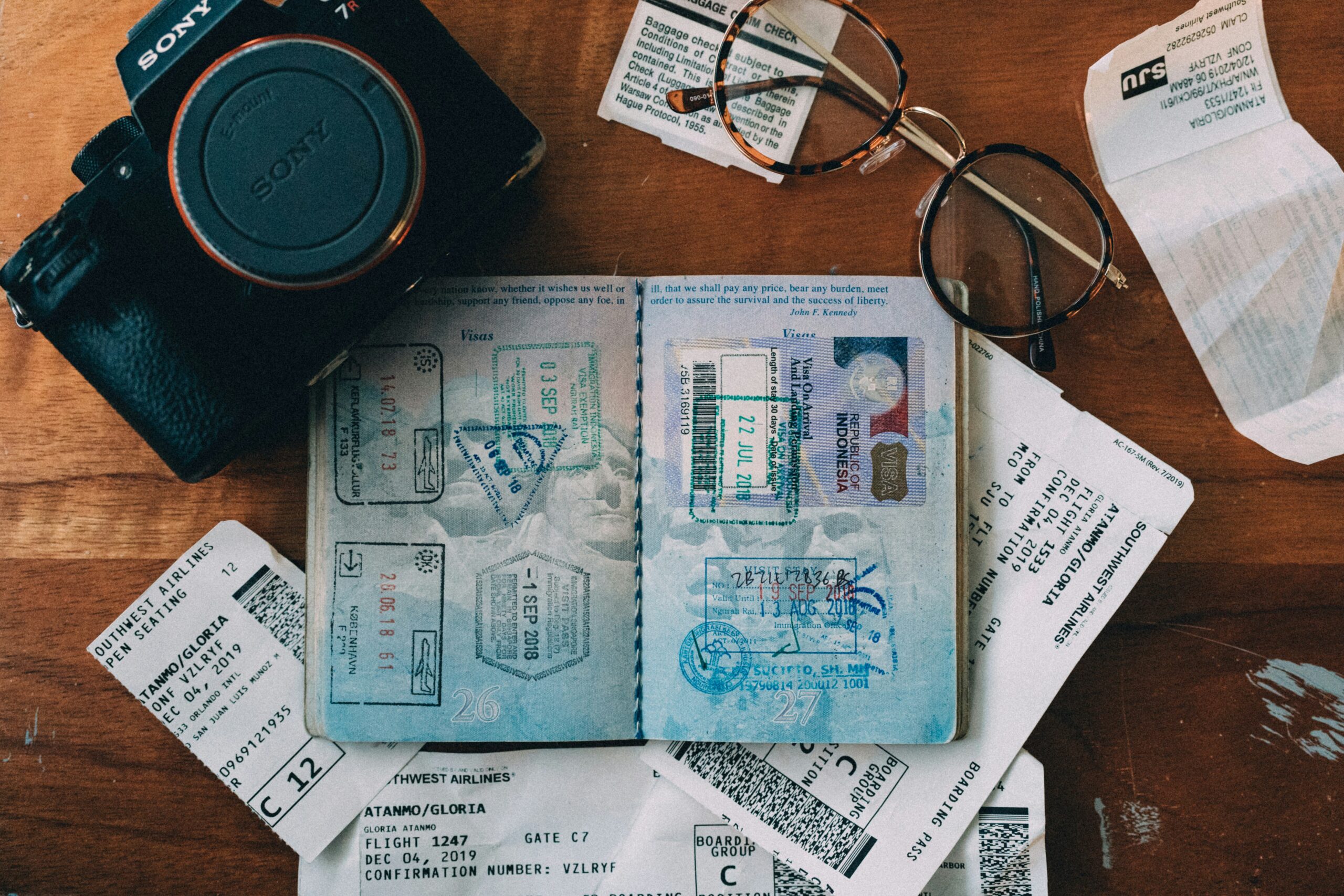
If you are looking for jobs abroad, you have probably come across phrases such as “visa sponsorship available,” “work visa,” “work permit,” or “employer sponsorship.”
They are related, but they do not mean exactly the same thing.
A visa sponsorship job generally refers to a job where an employer is willing and legally able to support a foreign worker through the relevant immigration process. A work permit or work visa is the immigration authorization that allows the person to work under the conditions set by the destination country.
In simple terms:
Sponsorship is generally about the employer’s role in the immigration process. A work permit or work visa is the immigration authorization that gives you permission to work.
The exact terminology and process vary from one country to another. Some countries have formal employer sponsorship systems. Others use processes involving employer nominations, labour-market assessments, accredited employers or government employment portals.
This distinction matters because seeing “visa sponsorship available” on a job advertisement does not mean that you already have a visa or permission to work.
You still need to meet the immigration requirements and obtain the appropriate authorization.
Visa Sponsorship Jobs vs Work Permit: The Short Answer
| Visa Sponsorship Job | Work Permit / Work Visa |
|---|---|
| Usually refers to an employer supporting a foreign worker through an immigration process | Refers to immigration authorization to work |
| Mainly involves the employer’s role | Involves the applicant and the immigration authority |
| Often starts with a job offer | May or may not require a job offer, depending on the immigration category |
| Does not guarantee immigration approval | Is granted only when the applicant meets the applicable requirements |
| Rules depend on the country and immigration route | Conditions, duration and work rights depend on the authorization |
| May involve an employer-specific job | May be employer-specific or open, depending on the country and category |
The easiest way to remember the difference is:
Job offer → Employer immigration process → Your application → Government decision → Work authorization
You may need both an employer’s support and government authorization, but they are not the same thing.
What Is a Visa Sponsorship Job?
A visa sponsorship job is generally a position where an employer is willing to hire a foreign worker and complete the immigration-related steps required for that worker to apply under a particular immigration route.
The employer’s responsibilities depend on the country and visa category.
For example, an employer may need to:
- hold a sponsor licence;
- be an approved or accredited employer;
- nominate a worker or position;
- complete a labour-market assessment;
- submit information through an official government system;
- provide a job offer or employment contract;
- issue a sponsorship certificate or reference number;
- meet specific employer compliance requirements.
However, the phrase “visa sponsorship job” does not describe one universal immigration process.
That is why you should always ask:
What exact visa or work-permit route is this employer offering sponsorship for?
That question is more useful than simply asking whether an employer “sponsors visas.”
Example: The United Kingdom
The UK has a formal sponsorship system for several work routes.
For the Skilled Worker route, an applicant generally needs a job with an approved UK employer. The employer, acting as the sponsor, provides a Certificate of Sponsorship (CoS) to an eligible worker.
The Certificate of Sponsorship is an electronic record, not the visa itself. The worker uses its reference number when making the visa application.
So the process is broadly:
Eligible job → Approved sponsor → Certificate of Sponsorship → Visa application → Government decision
The sponsorship does not mean that the visa has already been approved.
Example: Canada
Canada uses somewhat different terminology.
For an employer-specific work permit, the worker needs a job offer and the employer must complete the applicable process before the worker applies. Depending on the circumstances, this may involve a Labour Market Impact Assessment (LMIA) or an LMIA-exempt process.
For an LMIA-exempt job, the employer may need to submit an offer of employment through Canada’s Employer Portal and provide the worker with an offer of employment number.
This is one reason why the phrase “visa sponsorship” can sometimes be confusing when discussing Canada.
The employer’s involvement is important, but the actual legal process is determined by the Canadian work-permit program.
What Is a Work Permit or Work Visa?
A work permit or work visa is immigration authorization that allows a foreign national to work under specified conditions.
Depending on the country and immigration category, those conditions may include:
- the employer;
- the occupation;
- the location;
- the type of work;
- the duration of employment;
- the expiry date;
- other conditions attached to the immigration status.
Not every country uses the exact term “work permit.”
You may also encounter terms such as:
- work visa;
- temporary work authorization;
- employment residence permit;
- skilled worker visa;
- employer-sponsored visa.
The terminology is different, but the important question is the same:
What legal authorization do I have to work, and what conditions apply to it?
A job offer is not a work permit
This is one of the most important things international job seekers need to understand.
If a company sends you a job offer, that does not automatically mean you are legally allowed to start working in that country.
You may still need to:
- complete the employer’s required immigration process;
- submit your own visa or work-permit application;
- provide supporting documents;
- meet the eligibility requirements;
- receive government approval.
Do not make travel or employment plans on the assumption that a job offer by itself gives you permission to work.
Employer-Specific vs Open Work Authorization
Canada provides a useful example of the difference between employer-linked and more flexible work authorization.
Canada has two main types of work permits:
Employer-Specific Work Permit
An employer-specific work permit allows you to work under the conditions stated on the permit.
Those conditions can identify the:
- employer;
- location;
- occupation;
- duration;
- other applicable requirements.
A job offer is required for an employer-specific work permit.
Depending on the situation, the employer may need an LMIA or may use an LMIA-exempt process.
Open Work Permit
An open work permit is not tied to a particular job offer.
However, this does not mean that anyone can apply for one.
Canada says open work permits are available only to people who meet the eligibility requirements for specific situations.
An eligible open work permit holder can generally work for different employers, subject to the conditions of the permit.
This is why you should never assume that you can simply choose an open work permit because you want more flexibility.
Your eligibility determines which type of work permit you can apply for.
What Is the Difference Between Sponsorship and a Work Permit?
Think of the process as separate but connected stages.
1. The Job
You find an employer willing to hire you.
2. Employer Support
The employer completes the immigration-related steps required for the particular route.
3. Your Immigration Application
You submit the required visa or work-permit application and supporting documents.
4. Government Decision
The relevant immigration authority assesses the application.
5. Work Authorization
If your application is approved, you receive the immigration authorization required to work under its conditions.
A simplified process might look like this:
Job offer → Employer process → Immigration application → Government decision → Work authorization
Not every country follows exactly the same sequence, but this helps explain the relationship.
Does Visa Sponsorship Guarantee a Visa?
No.
An employer can:
- offer you a genuine job;
- be authorized to sponsor or employ foreign workers;
- complete its required immigration steps;
- provide the necessary sponsorship information;
and your application can still be refused if you do not meet the immigration requirements.
Depending on the immigration route, you may need to satisfy requirements relating to:
- qualifications;
- work experience;
- occupation;
- salary;
- language ability;
- health;
- character;
- identity;
- financial requirements;
- other eligibility criteria.
The employer’s role is important, but the government makes the immigration decision.
How Does a Visa Sponsorship Job Usually Work?
The exact process varies by country, but an employer-sponsored route often looks something like this.
Step 1: Find a Genuine Employer
Start by looking for employers that are actually recruiting and, where applicable, can employ or sponsor foreign workers.
Useful places to search include:
- the employer’s official careers website;
- government job portals;
- official lists of approved sponsors or accredited employers;
- reputable recruitment platforms;
- established recruitment agencies.
Be careful with jobs that exist only in WhatsApp groups, Facebook posts or messages from unknown recruiters.
Step 2: Apply for the Job
You apply for the position and provide whatever the employer requests.
This may include:
- CV or résumé;
- qualifications;
- professional licences;
- work experience;
- references;
- language test results;
- other job-specific documents.
The employer still has to decide whether you are suitable for the job.
Step 3: Receive a Genuine Job Offer
If you are selected, the employer should provide clear employment information.
Depending on the country and employer, this may include:
- company name;
- job title;
- work location;
- salary;
- working hours;
- duties;
- contract terms;
- start date.
Take the time to verify these details.
Step 4: The Employer Completes Its Immigration Responsibilities
This stage is different in each country.
For example:
- a UK sponsor may assign a Certificate of Sponsorship;
- a Canadian employer may need an LMIA or complete an LMIA-exempt process;
- an Australian employer may need to be an approved sponsor and nominate the relevant position and worker;
- a New Zealand employer may need accreditation and a job check for the Accredited Employer Work Visa process.
The employer’s responsibilities depend on the specific immigration route.
Step 5: You Apply for Immigration Authorization
Employer support does not remove your own immigration application.
You may need to submit:
- passport and identity documents;
- employment information;
- qualifications;
- proof of work experience;
- language evidence where required;
- police or medical documents where applicable;
- financial evidence where required;
- other supporting documents.
Step 6: Wait for the Decision
The immigration authority assesses your application.
Do not assume that you can legally start working simply because the employer has offered you the job.
You should follow the rules of the relevant immigration system and wait for the required authorization.
Can You Get Work Authorization Without Employer Sponsorship?
Sometimes, yes.
It depends on the country and the immigration category.
Open Work Permits
Some immigration systems provide open work authorization to eligible people.
Canada, for example, offers open work permits in certain situations. Applicants do not need a job offer for an open work permit, but they must meet the eligibility requirements for one of the situations where an open work permit is available.
Skilled Migration Routes
Some countries have skilled migration pathways that are not based on a particular employer.
Australia, for example, has both employer-sponsored skilled visa options and other skilled migration pathways.
The eligibility rules are different for each visa.
Post-Study Work Routes
Some countries provide work rights to eligible international graduates after they complete qualifying studies.
The availability, duration and conditions depend on the country’s immigration rules.
Family-Based Work Authorization
Some immigration systems allow certain family members of visa holders or other eligible residents to obtain work authorization.
Again, eligibility depends on the specific immigration category.
The important point is:
You do not necessarily need employer sponsorship to obtain work authorization, but you must qualify for the particular immigration route that gives you the right to work.
Do You Need a Job Offer Before Getting a Work Permit?
It depends on the type of work authorization.
For example, Canada states that an employer-specific work permit requires a job offer, while an open work permit does not require one. However, open work permits are available only in specific situations.
Other countries have their own systems and exceptions.
So instead of asking:
“Do I need a job offer to get a work permit?”
a better question is:
“Which work authorization routes am I eligible for in the country where I want to work?”
That question helps you identify the correct immigration pathway instead of assuming that every worker follows the same process.
Can You Change Employers After Getting a Sponsored Work Permit?
This depends on the conditions attached to your immigration authorization.
If Your Work Authorization Is Employer-Specific
You may not be able to simply leave your current employer and start working for another company.
Depending on the country, you may need:
- a new job offer;
- a new employer process;
- a new visa or work-permit application;
- government approval before starting the new job.
For example, Canada has employer-specific work permits that identify the employer, location and occupation. If you want to change employers, you may need to obtain new authorization.
If You Have Open Work Authorization
The situation can be different.
An eligible Canadian open work permit holder can generally work for different employers while the permit remains valid, subject to the conditions attached to the permit.
The lesson is simple:
Never assume that a new job automatically gives you permission to work for a new employer. Check your immigration conditions first.
Visa Sponsorship Jobs vs Work Permits: How Major Countries Differ
United Kingdom
The UK uses a formal sponsorship system for many work routes.
For the Skilled Worker route, an applicant generally needs a job offer from an approved UK employer. The employer acts as the sponsor and provides a Certificate of Sponsorship to an eligible worker.
The Certificate of Sponsorship contains a reference number that the worker uses for the visa application.
Simplified process
Approved employer → Job offer → Certificate of Sponsorship → Visa application → Government decision
A Certificate of Sponsorship is therefore not the same thing as a visa.
Canada
Canada has both employer-specific and open work permits.
For an employer-specific work permit, you need a job offer. The employer may need to obtain an LMIA or use an LMIA-exempt process, depending on the circumstances.
For an LMIA-exempt job, the employer may have to submit an offer of employment through the Employer Portal and provide the worker with an offer of employment number.
Simplified process
Job offer → Employer process → Work permit application → Government decision
Canada therefore illustrates why the phrase “visa sponsorship” should not be treated as a universal legal term.
The exact requirements depend on the work-permit program.
Australia
Australia has several employer-sponsored skilled visa options.
One important example is the Skills in Demand visa (subclass 482), which is a temporary employer-sponsored visa.
Australia also has other employer-sponsored pathways, including the Employer Nomination Scheme (subclass 186) and the Skilled Employer Sponsored Regional visa (subclass 494).
At the same time, Australia has skilled migration pathways that are not based on the same employer sponsorship arrangement.
The requirements vary by visa, including factors such as the occupation, skills, experience, sponsorship or nomination and other eligibility requirements.
Simplified employer-sponsored process
Approved sponsor → Nomination → Visa application → Government decision
Do not assume that an employer-sponsored visa gives unlimited freedom to change employers. Some Australian sponsored visas contain conditions restricting the work that can be performed and the employer for whom the holder can work.
New Zealand
New Zealand’s Accredited Employer Work Visa (AEWV) system is based around accredited employers and an approved job.
An employer generally needs to be accredited to hire migrants under the AEWV system and must complete the applicable job-check process before recruiting a migrant worker through the route.
The worker must then meet the requirements for the visa.
Simplified process
Accredited employer → Job check → Job offer → AEWV application → Immigration decision
Immigration New Zealand provides an official employer-accreditation search tool, allowing applicants to check whether an employer is currently accredited, although some employers may choose not to appear in the published search results.
Common Misunderstandings About Visa Sponsorship and Work Permits
“A sponsored job means my visa is guaranteed.”
No.
Employer sponsorship or support does not remove the immigration requirements. You still have to qualify for the relevant visa or work-permit category.
“A job offer is the same as a work permit.”
No.
A job offer is an employment offer.
A work permit or visa is immigration authorization.
“Every work permit requires employer sponsorship.”
No.
Some countries have open work permits or other immigration pathways that do not depend on a particular employer.
“Every foreign worker needs a work permit.”
Not necessarily.
Some people may be exempt from work-permit requirements or may have work rights attached to another immigration status.
These rules are country-specific.
“A big company automatically sponsors every foreign applicant.”
No.
A company may have the ability to employ or sponsor foreign workers but may sponsor only certain occupations, positions or candidates.
“A recruiter can guarantee my visa.”
No.
A recruiter or employer cannot replace the government’s immigration decision.
Be especially careful if someone claims they can guarantee approval in exchange for money.
How to Verify a Visa Sponsorship Job Before Applying
If you are applying from outside the country, verification is one of the most important things you can do.
1. Verify the Employer
Look for:
- the company’s official website;
- an official careers page;
- legitimate company contact information;
- business registration information where available.
Do not rely solely on the information provided by a recruiter.
2. Verify the Vacancy
Search for the same vacancy on the employer’s official website.
Check whether:
- the job title matches;
- the location matches;
- the salary matches;
- the employer’s contact information matches.
If the job exists only on a social-media page or messaging app, investigate it carefully before providing documents or money.
3. Check the Employer’s Immigration Status
Some countries provide official sponsor or accredited-employer lists.
For example:
- the UK provides information about approved sponsors;
- New Zealand provides an accredited employer search;
- Australia has formal sponsorship requirements for relevant employer-sponsored visas.
Use the relevant government’s information wherever possible.
4. Identify the Exact Immigration Route
Do not stop at:
“This job has visa sponsorship.”
Ask:
“Which visa or work permit would I apply for?”
Then check that immigration category on the official government website.
Look at:
- eligibility;
- occupation requirements;
- salary requirements;
- qualifications;
- experience;
- language requirements;
- fees;
- documents;
- processing requirements;
- work conditions.
5. Understand Any Payment Requests
Legitimate immigration processes can involve government fees and other costs, but that does not mean every payment requested by a recruiter or employer is legitimate.
Before paying, ask:
- What exactly is the payment for?
- Who is legally responsible for that cost?
- Is the payment mentioned in official government guidance?
- Who is receiving the money?
- Can the payment be independently verified?
Be extremely cautious if someone says:
“Pay us and your visa is guaranteed.”
A private person cannot guarantee a government immigration decision.
A Simple Example: From Job Offer to Legal Work
Imagine you are applying from Nigeria for a job in another country.
You find a genuine employer and apply for a position.
The employer selects you and gives you a job offer.
At this point, you have a job offer.
You do not necessarily yet have permission to work.
The employer then completes the immigration-related steps required for that country and visa route.
You submit your immigration application and provide the required documents.
The immigration authority reviews your application.
If the application is approved, you receive the required visa or work authorization.
Only then can you work according to the conditions attached to that authorization.
The important distinction is:
The employer can offer you employment. The immigration authority decides whether you receive the required immigration authorization.
What Should You Check Before Accepting a Sponsored Job?
Before you resign from your current job, pay a recruiter or make travel arrangements, check the following:
- Is the employer genuine?
- Does the vacancy exist on the employer’s official website?
- Is the employer authorized or accredited where required?
- What exact visa or work permit is involved?
- Do you meet the eligibility requirements?
- Does the salary meet the applicable rules?
- Is the work authorization tied to a particular employer?
- What documents do you need?
- What government fees apply?
- Who is responsible for each cost?
- Have you checked the information on the official immigration website?
- Have you verified the job independently?
If you cannot answer these questions, you should get more information before treating the opportunity as a confirmed route to working abroad.
Frequently Asked Questions
Is visa sponsorship the same as a work permit?
No.
Visa sponsorship generally refers to an employer’s role in supporting a foreign worker through a relevant immigration process.
A work permit or work visa is the immigration authorization that allows the worker to work under the applicable conditions.
Does visa sponsorship guarantee visa approval?
No.
Employer support does not guarantee immigration approval. The applicant must still meet the requirements of the relevant visa or work-permit category.
Can I get a work permit without a job offer?
Sometimes.
For example, Canada requires a job offer for an employer-specific work permit but does not require one for an open work permit. However, open work permits are available only to people who meet specific eligibility requirements.
Other countries have different rules.
Does a job offer mean I can start working?
No.
A job offer is not automatically work authorization. If the country requires a work visa or permit, you need the appropriate authorization before starting work.
Can I change employers after getting a sponsored work permit?
It depends on your immigration status.
If your authorization is employer-specific, changing employers may require a new application or other immigration steps.
If you have an open work permit, you may have more flexibility, subject to the conditions of your permit.
How do I know if a visa sponsorship job is genuine?
Verify the employer, check whether the vacancy exists on the company’s official website, confirm the employer’s sponsor or accreditation status where an official register exists, and check the immigration requirements directly with the relevant government authority.
Final Thoughts
The difference between a visa sponsorship job and a work permit becomes much easier to understand once you separate the employer’s role from the government’s role.
A sponsored job generally means an employer is willing and able to support the relevant immigration process. A work permit or work visa is the immigration authorization that allows you to work under specific conditions.
They are connected, but they are not the same thing.
If you are searching for jobs abroad, do not stop when you see the words “visa sponsorship available.”
Find out:
Who is the employer?
What exact job is being offered?
Which visa or work permit is involved?
What does the employer have to do?
What do you have to do?
Do you actually meet the immigration requirements?
And most importantly, what does the official government website say?
Taking the time to answer those questions can help you avoid confusion, unrealistic promises and potentially expensive scams.
Immigration rules can change, so always check the current requirements with the relevant government authority before applying, paying fees or making travel arrangements.
Official Government Sources
| Country | Anchor text to use | Official outbound link |
|---|---|---|
| UK | UK Skilled Worker visa requirements | GOV.UK Skilled Worker visa |
| UK | Certificate of Sponsorship explained | GOV.UK Certificate of Sponsorship |
| UK | Skilled Worker visa documents | GOV.UK Skilled Worker visa documents |
| Canada | Canada work permit types | Government of Canada work permit types |
| Canada | Canada open work permit eligibility | Government of Canada open work permits |
| Canada | Canada LMIA and work permit requirements | Government of Canada work permit requirements |
| Australia | Australia employer-sponsored visas | Australian Government sponsored skilled visa options |
| Australia | Australia temporary work visas | Australian Government temporary work visas |
| New Zealand | New Zealand Accredited Employer Work Visa requirements | Immigration New Zealand AEWV |
| New Zealand | Check an accredited New Zealand employer | Immigration New Zealand accredited employer list |
READ MORE
How to Find Legitimate Visa Sponsorship Jobs Abroad in 2026: A Safe Step-by-Step Guide
UK Visa Latest Updates 2026: Work Visa, Requirements, Processing Times & Fees
Ireland Visa Latest Updates 2026: Work Permit, Requirements, Processing Times & Fees
Healthcare Jobs with Visa Sponsorship 2026: Countries Hiring Foreign Workers & How to Apply
Truck Driver Jobs in Canada With Visa Sponsorship: Requirements, Salary & How to Apply
Caregiver Jobs Abroad With Visa Sponsorship: Requirements, Salaries & How to Apply
How to Write a Cover Letter for Jobs Abroad: Format, Examples & Tips




6 thoughts on “Visa Sponsorship Jobs vs Work Permit: What’s the Difference in 2026?”